For centuries, cheesecloth has been an indispensable tool in kitchens, dairies, and craft rooms. This simple, woven cotton fabric is far more versatile than its name suggests. While its primary historical use was in cheesemaking to drain curds, modern cooks and DIY enthusiasts have found countless applications for this humble material. Whether you're straining stocks, clarifying butter, making yogurt, or creating holiday decorations, having the right cheesecloth on hand is essential.
Understanding Cheesecloth Grades
The key to selecting the perfect cheesecloth lies in understanding its grading system. The grade refers to the thread count and weave tightness, which determines what the cloth can filter. Grade 100 cheesecloth, often called "butter muslin," is the finest and tightest weave. It's ideal for straining very fine particles, making soft cheeses like ricotta, or clarifying consommés. For a deeper dive into the specifics, check out this comprehensive Grade 100 Cheesecloth guide.
Lower grades, like 60 or 40, have a looser weave and are better suited for tasks like bundling herbs, wrapping a turkey for roasting, or straining chunky mixtures. When choosing, consider what you'll be straining. For tasks requiring an ultra-dense filter, nothing beats a high-grade cloth.
Key Features of Quality Cheesecloth
Not all cheesecloths are created equal. Here are the features to look for in a premium, reusable product:
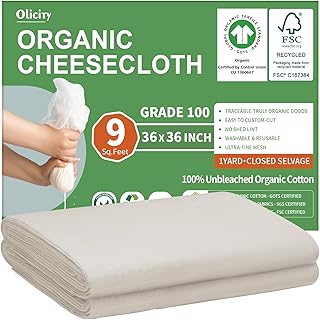
Material: Always opt for 100% unbleached cotton. Unbleached fabric is free from chemical residues, making it safer for food contact. Organic and GOTS-certified options, like the Organic Cheese Cloths, offer an even purer choice for health-conscious users.
Construction: Look for cloths with hemmed or closed edges. This prevents fraying during use and washing, significantly extending the cloth's lifespan. Products like the Cotton Farm Grade 100 XL Cheese Cloth with hemmed edges are built to last.
Size and Pack: Cheesecloth is available in precut squares or by the yard. Precut packs, such as the 6-Pack Beige Cheesecloth or the 12Pcs Reusable Cheese Cloths, offer convenience and value, ensuring you always have a clean piece ready.
Top Uses for Your Kitchen Cheesecloth
The applications for this culinary cloth are nearly endless. Here are some of the most popular uses:
Straining and Clarifying: This is its classic role. Use it to strain yogurt to make Greek yogurt, separate curds from whey in cheesemaking, clarify broths and stocks, or make clear fruit juices and nut milks. A fine grade 100 cloth is perfect for these tasks.
Cooking and Baking: Cheesecloth is fantastic for creating herb sachets (bouquet garni) to flavor soups and stews. It's also the traditional tool for wrapping and roasting a turkey or chicken to keep the breast meat moist. For more cooking tips, explore this guide on cheesecloth for straining and cooking.
Crafting: Beyond the kitchen, unbleached muslin cheesecloth is a favorite for crafts. It can be dyed, painted, or torn to create Halloween ghosts, rustic gift wrapping, or even as a base for embroidery projects.
Choosing the Right Product for You
With so many options, how do you choose? Consider your primary use. For serious cheese making and fine straining, invest in a high-quality, reusable Grade 100 cloth like the High-Grade 100 Cheesecloth 6-Pack. For general kitchen tasks and cooking turkey, a versatile pack like the 6 Pcs Cheese Cloths for Straining is excellent. If you prefer a bleached option for a brighter appearance, the GoodCook Everyday Cotton Cheesecloth is a reliable choice.
For a trusted brand name, the MAJESTIC CHEF Natural Cheesecloth is a staple in many kitchens. You can read a detailed MAJESTIC CHEF review to see how it performs for serious cooks.
Ultimately, having a multi-pack of reusable cheesecloth is one of the best investments for a functional kitchen. It's a cooking essential that promotes less waste and more creativity. To explore the full world of this versatile fabric, from types to care instructions, be sure to read the complete Cheesecloth resource hub.